Understanding Project Management in Construction
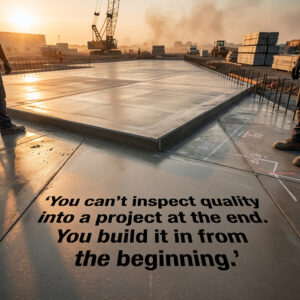
Effective project management is the backbone of successful construction endeavors, ensuring that projects are completed on time, within budget, and to the required quality standards. It involves meticulous planning, resource allocation, risk assessment, and continuous monitoring throughout the project lifecycle.
Key aspects of construction project management include scope definition, scheduling, cost control, quality assurance, safety management, and stakeholder communication. Utilizing robust project management methodologies helps mitigate potential issues and optimize project outcomes.
The Importance of Safety Protocols in Industrial Construction
Safety is paramount in industrial construction, where the risks associated with heavy machinery, hazardous materials, and complex operations are significantly higher. Implementing comprehensive safety protocols is not just a regulatory requirement but a fundamental ethical responsibility to protect workers and the public.
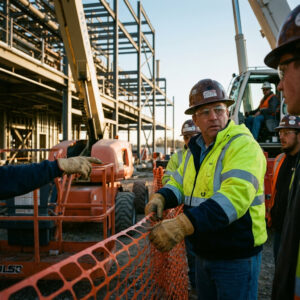
These protocols encompass rigorous training programs, the use of personal protective equipment (PPE), regular site inspections, emergency preparedness plans, and a culture that encourages hazard reporting and proactive safety measures. A strong safety culture minimizes accidents and ensures a productive work environment.
Navigating Commercial Renovations for Business Continuity
Commercial renovations present unique challenges, particularly for businesses that must maintain operations during the construction process. The goal is to minimize disruption, ensuring that the renovation enhances the business space without significantly impacting revenue or customer access.
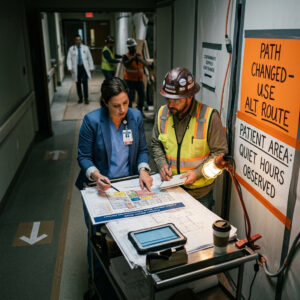
Successful commercial renovations involve detailed phasing plans, clear communication with business owners and staff, and flexible scheduling to accommodate operational needs. Strategies like off-hours work, temporary relocation of services, and dust containment are crucial for maintaining business continuity.
Key Considerations for Healthcare Construction Projects
Construction within the healthcare sector demands an exceptional level of precision and adherence to stringent standards due to the critical nature of medical facilities. Patient safety, infection control, and the functional requirements of medical equipment are central to every decision made during the planning and execution phases.
Healthcare construction projects require specialized knowledge in areas such as HVAC systems for infection control, specialized power and plumbing for medical equipment, and materials that meet strict hygiene and durability requirements. Phasing and infection control during renovations are particularly vital to prevent disruptions to patient care and maintain a sterile environment.